Massage guns, eye and neck massagers, ear cleaners, facial devices and massage chairs — built at factories we have worked with for years, inspected before they ship, and exported to importers, distributors and retail chains across Europe, North America, the Middle East and Asia.
Each category page shows the models we keep in production. The full catalogue of 480+ items lives on our Alibaba store.
Visual otoscope ear cleaners with HD screens and camera probes.
2 models → 02Shiatsu, traction and hot-compress devices for neck and shoulder relief.
3 models → 03Airbag and heat-compress eye massagers for screen fatigue.
1 model → 04Scalp massagers and multi-function hair styling tools.
2 models → 05LED, RF and vibration devices for facial firming and lifting.
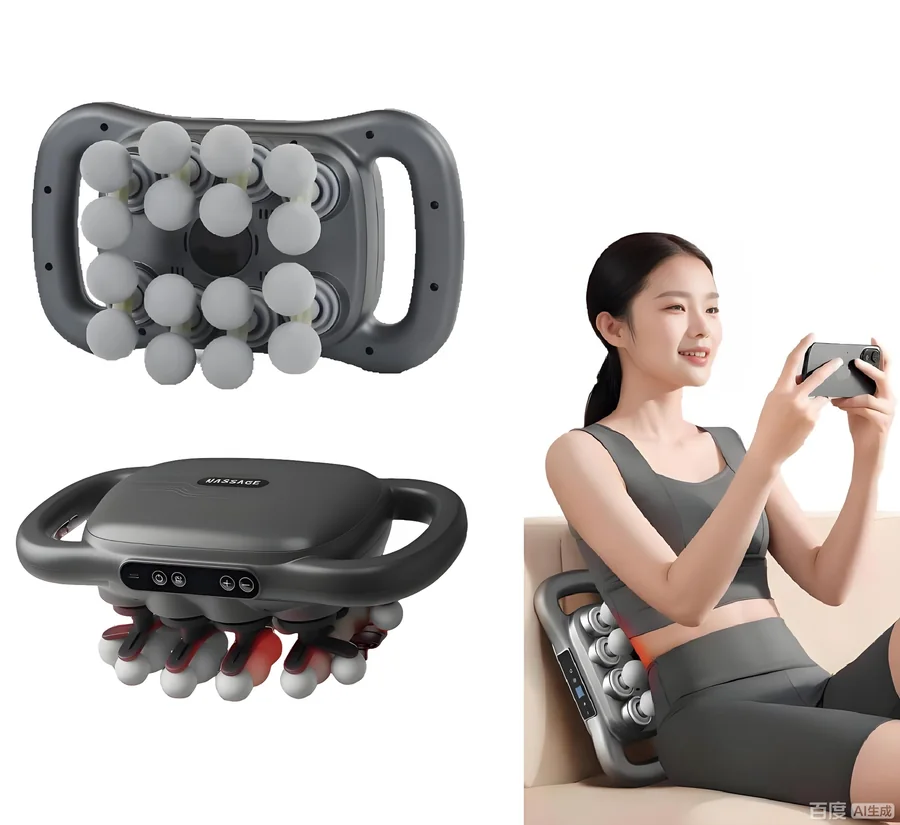
3 models → 06Multi-head percussion massagers for deep tissue recovery.
2 models → 07Heated belts, lumbar supports and red-light body rollers.
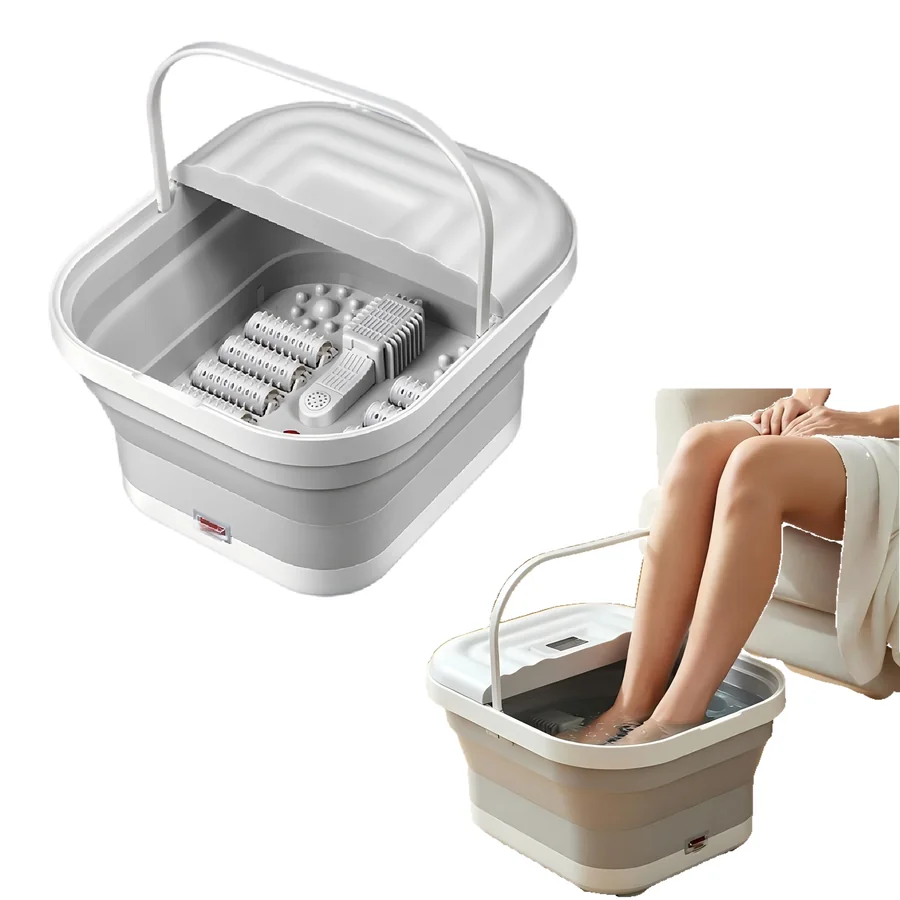
3 models → 08Foldable foot bath tubs and full-body foot therapy machines.
2 models → 09Executive and foldable massage chairs for office and home.
2 models →Importers usually arrive with a use case, not a model number. These six cover most of the briefs we get.
Ordered by what our own buyers reorder and by what is moving in the same categories on Amazon US — not by how photogenic a product looks.


Knowing which one a product uses tells you more about its cost and its quality than any list of features. Here is what we supply, and why it matters for your market.
Airbag devices inflate in sequence to press and release — eye massagers, neck collars and leg wraps all use the same principle. Pressure, cycle time and heat are set per model.
Heated belts and foot baths hold a set temperature rather than simply warming up. That is what makes a 30-minute session repeatable instead of uncomfortable.
LED and RF facial devices work on the surface and the layer beneath it. Output level and treatment time decide whether a device is a toy or a tool.
Fascia guns deliver amplitude and frequency; cervical pillows combine traction with heat. Both are mechanical — which is why build quality matters more than the spec sheet.
Four things decide whether an own-brand order goes smoothly. We would rather set them out now than discover a problem at the packaging stage.
Your logo on the device, the gift box and the manual. Minimum quantities apply per model.
Barcodes, warning text and carton marks set up for your market — including Amazon-ready labels.
Spec sheets, product photography and the test reports we actually hold. We do not send documents we cannot back.
Order a sample, test it, then commit. We would rather lose a fast order than ship a product you have not seen.
Short answers here; the long version of each is in the buying guides.
Written for importers rather than for search engines: the parameters that matter, the lines that get left out of quotations, and the questions worth asking before a container is booked.
Four numbers decide whether a massage gun feels professional or toy-like: amplitude, stall force, noise and battery. What each one means in practice, where cheap guns fail, and how to spec a private-label model.
Where the money goes when you put your brand on a massage or beauty device: logo methods, packaging formats, tooling thresholds and the hidden costs that show up after the quote.
A 220 V heated product running on 110 V is not slightly slower, it is a different product. What changes per market, which certificate covers which country, and who should hold the paperwork.
Commercial chair buyers are not buying features, they are buying uptime. Mechanism and rail, the freight maths nobody does, upholstery that survives disinfectant, and the contract clauses that decide whether month eight is a repair or a write-off.
Almost every enquiry arrives as one of these three. They carry different terms, different minimums and a different amount of work on your side — so it is worth knowing which one you are asking for.
Models that already exist, in your quantity. Tiered pricing, mixed pallets if you need them, and carton dimensions given before you commit to a container.
Your logo, your packaging, your manual language. We quote what each change actually costs at your volume instead of a generic OEM package.
A territory arrangement, agreed after a first order rather than before it. Tiered pricing, account protection and a spare-parts channel.
Send the model, the quantity and the destination. You will get price, lead time and shipping cost in one reply — typically within one business day.