A hotel or a recovery studio does not buy a product, it equips rooms. That changes the questions: what goes in each space, how it looks next to everything else, who services it, and how the delivery is phased around an opening date.
A typical wellness-led property ends up with four or five device types rather than one flagship. The mix is driven by floor space and by dwell time.
| Space | Typical equipment | The constraint that decides it |
|---|---|---|
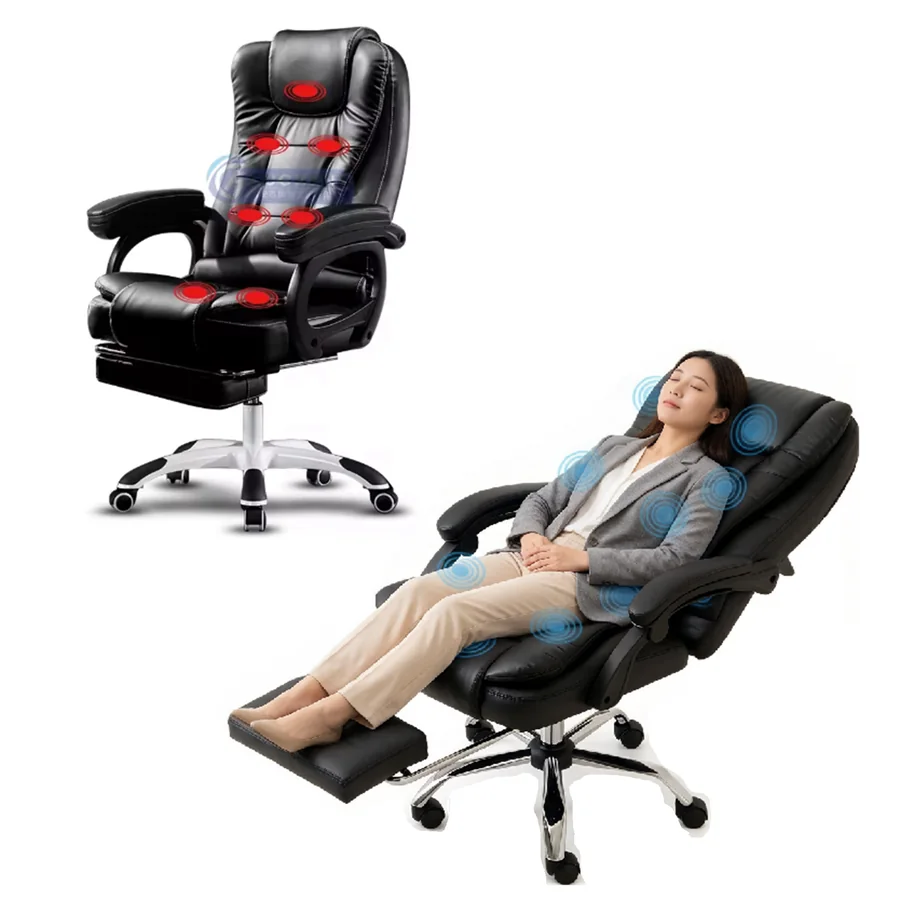
| Guest room / suite | Chair-top massage cushion, eye massager, neck device | Storage and power outlet position; nothing that needs a dedicated circuit |
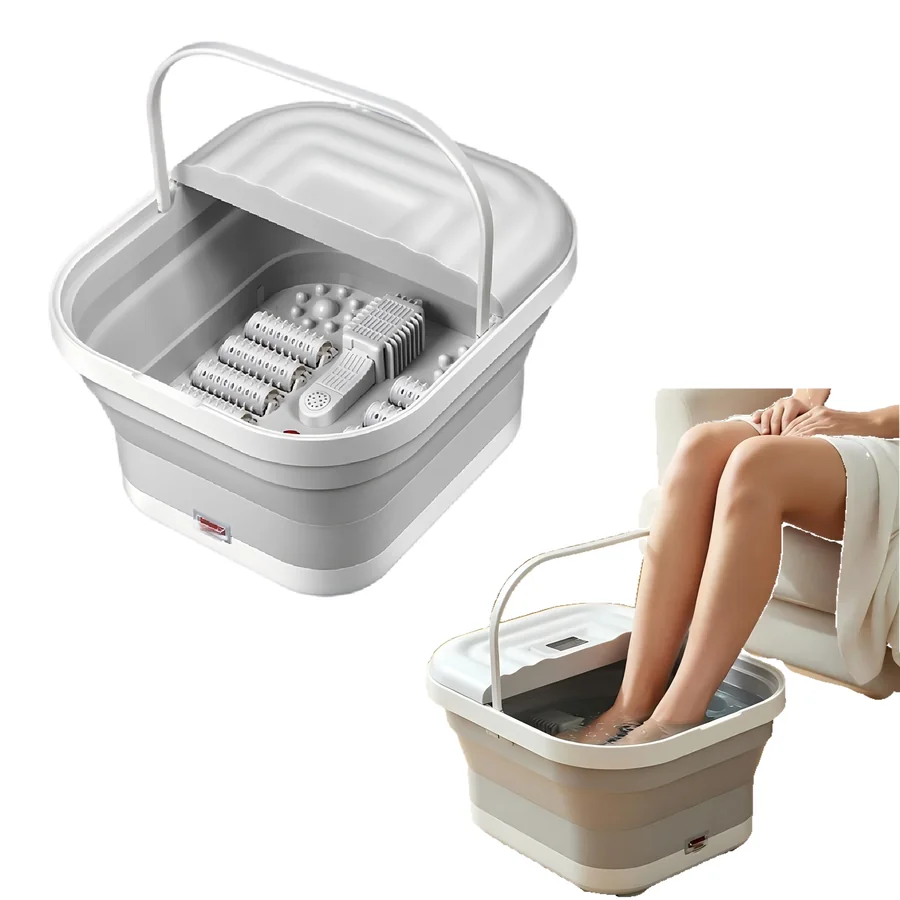
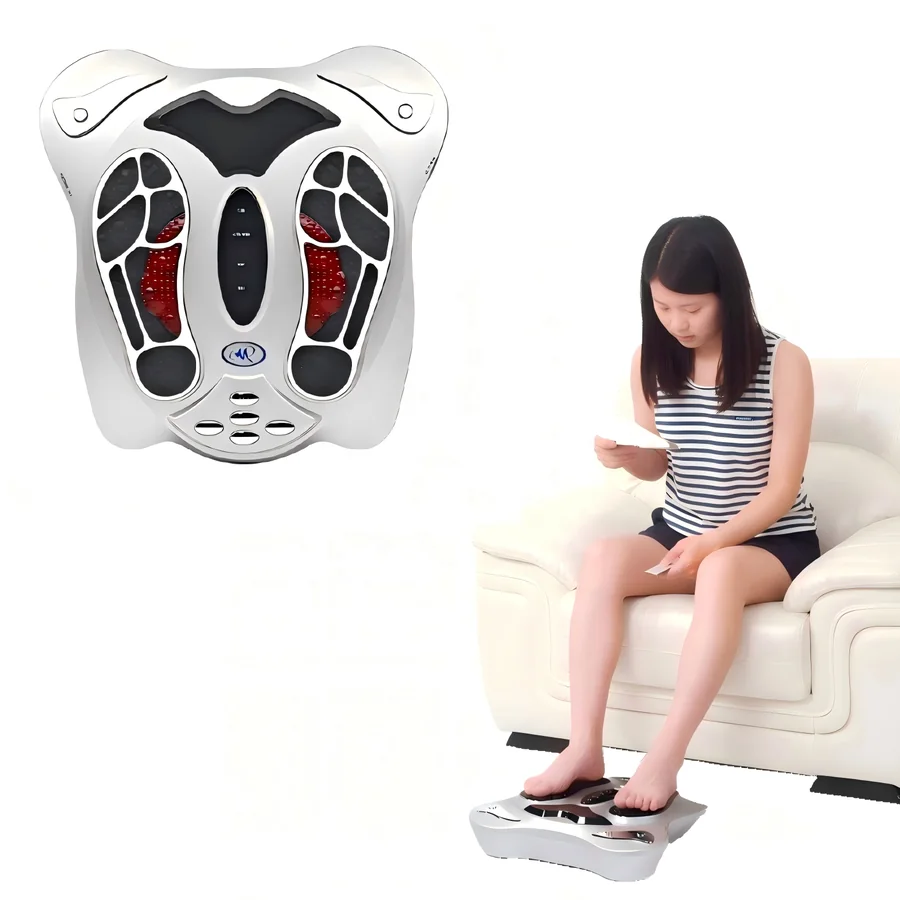
| Spa treatment room | Full massage chair or treatment table devices, foot therapy | Wipeable surfaces, session timer, noise level between rooms |
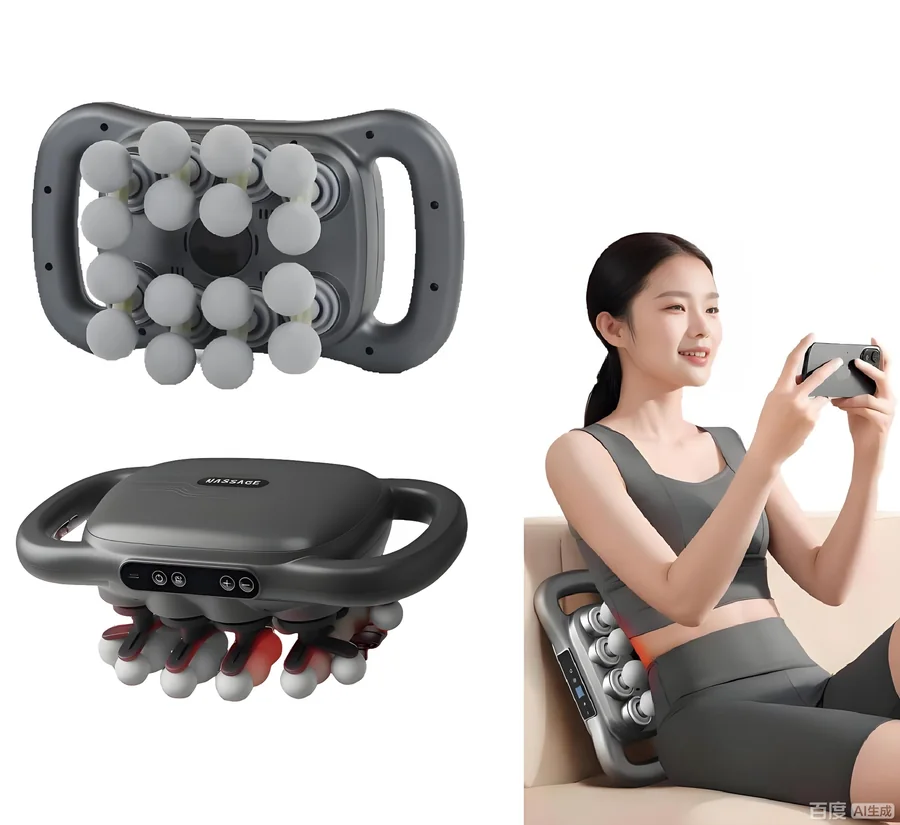
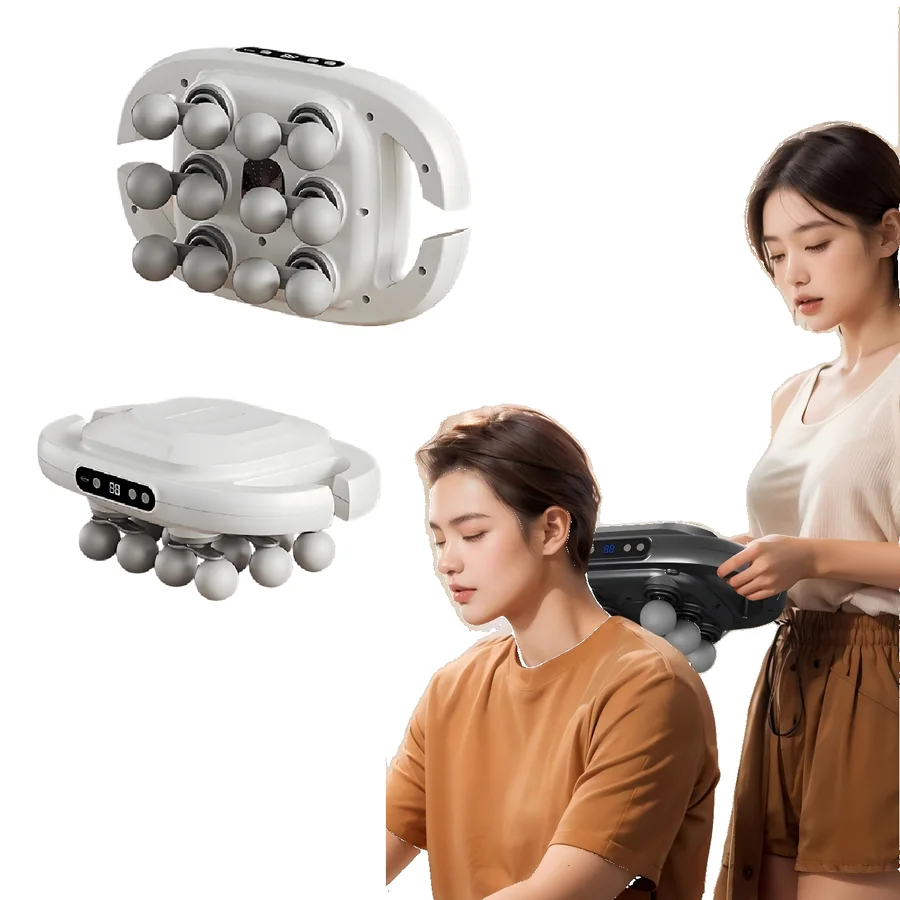
| Recovery / wellness studio | Percussion guns, compression and foot therapy, chairs | Duty cycle across a day of sessions, spare parts on site |
| Gym and fitness area | Percussion guns, recovery guns, stretch devices | Robustness and a charging station that survives daily use |
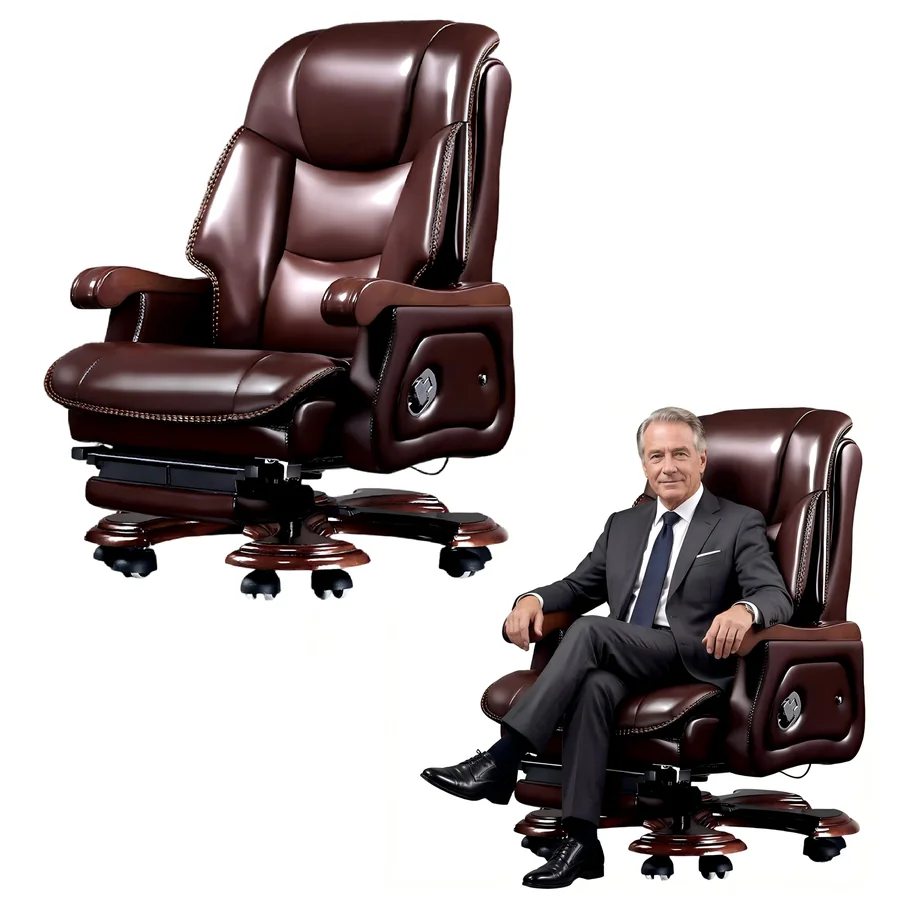
| Lobby and lounge | One feature chair or a small cluster | Visual finish matching the interior, and a power route that is not an afterthought |
Uniform appearance. Twenty devices that arrived in three slightly different finishes look like a mistake in a designed interior. Finish and trim are specified once, for the whole project.
Phased delivery. Fit-out dates move. Goods that arrive three weeks before the building is secure sit in a corridor and get damaged. We schedule against the installation sequence rather than the order date.
Serviceability. A hotel cannot post a chair back to China. The spare-parts allocation and the access to a local technician are decided at purchase, and they matter more than the unit price.
Documentation. Invoices, packing lists and product documentation have to survive an accounts department and, in many markets, a safety inspection. This is prepared with the order, not afterwards.


Send the room schedule or the floor plan, even roughly. We map equipment to spaces and come back with a list and an indicative budget, which is usually more useful at that stage than a unit price.
Samples or a single demonstration unit come next. For hospitality this step decides the project — the person signing has to sit in the chair.
Then the order is split: everything that has a long lead time goes first, consumables and spares follow closer to the opening. Delivery is scheduled against the installation sequence.
After handover, the spare-parts list and the contact for service are the two things that determine whether the equipment is still working in year three.
We reply with a price, the real minimum and the documents that exist for that model — usually within one business day.
Nothing is stored on this site. The message opens in your own WhatsApp or mail app, so you can see exactly what you are sending.