The same model number hides three different products
A single model number can ship to the US, the EU and Japan, and the units inside those three cartons are not the same product. The voltage build, the plug and the certification are three separate decisions, and buyers who treat them as one end up with stock they cannot legally sell or customers who think the product is faulty.
This guide covers what actually changes, and the questions that keep the conversation honest.
Voltage is not a switch on the box
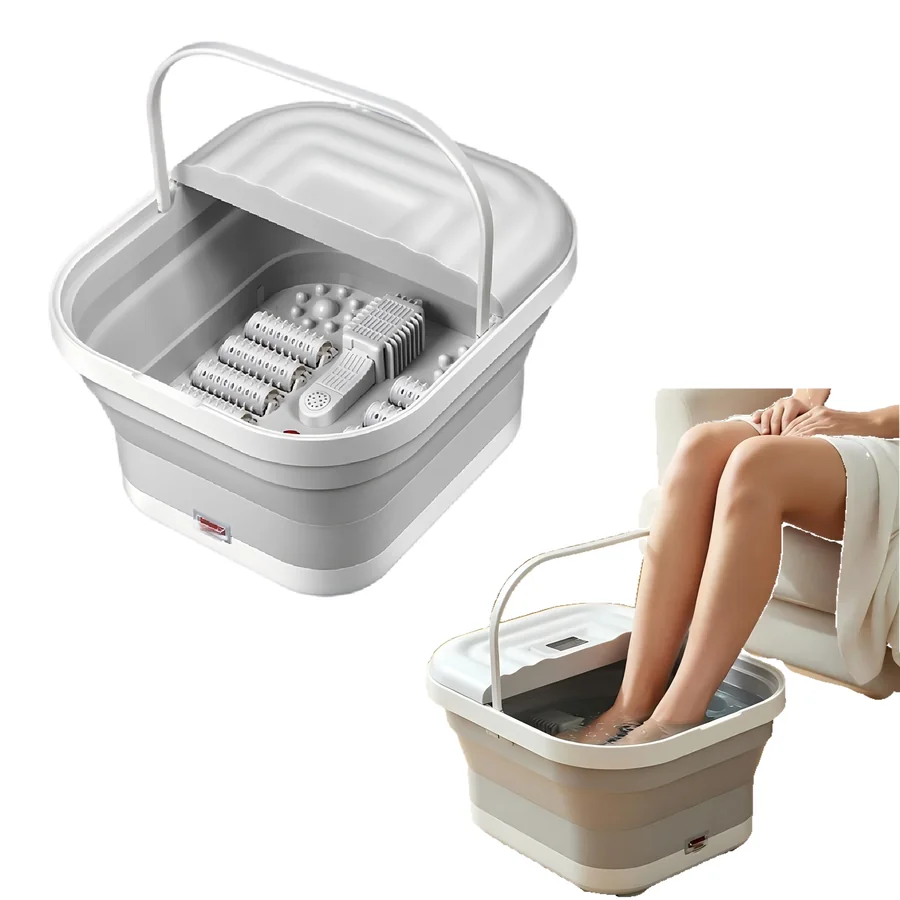
For a resistive load, power falls with the square of the voltage. Halve the voltage and you keep a quarter of the heating power. A foot bath designed around 220 V does not merely heat more slowly on 110 V, it can take nearly four times as long, and the customer reads that as a broken product. Battery-powered devices escape the problem because the load sits behind the charger, and only the adapter changes.
| Product type | What 110 V does | What has to change |
|---|---|---|
| Battery device with adapter | Almost nothing | The adapter and its certification |
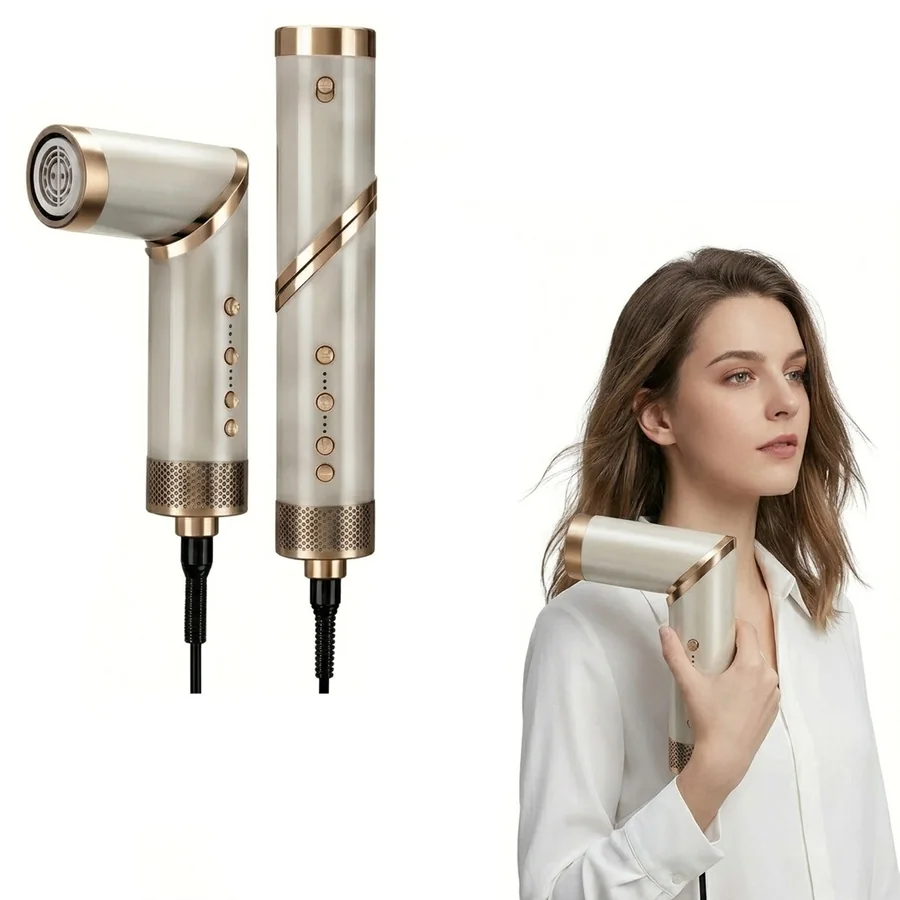
| Heated products: foot baths, dryers, heat belts | Heating power drops sharply | A different heating element, a different build |
| Large motors: massage chairs | Lower torque, slower recline | A voltage-matched motor and control board |
Plugs and certification, market by market
| Market | Plug | Framework you will be asked about |
|---|---|---|
| US / Canada | Type A or B, NEMA 1-15 or 5-15 | UL or ETL listing, FCC Part 15 if it has a radio, California Prop 65 |
| European Union | Type C or F (Schuko) | CE: LVD and EMC, plus RED for radio, plus RoHS, WEEE and REACH |
| United Kingdom | Type G | UKCA, with CE still accepted in the current transition; confirm at order time |
| Australia / NZ | Type I | RCM |
| Japan | Type A, 100 V | PSE, diamond or circle depending on the product, plus radio approval |
| Korea | Type C or F | KC |
| Saudi Arabia / UAE | Type G or C | SABER for Saudi, ESMA for the UAE |
The question that matters: who holds the certificate?
Not whether a certificate exists, but whose name is on it. A certificate held by the factory disappears the day you change factories. A certificate held by you travels with your brand. The practical split:
- CE is a self-declaration backed by a technical file. Either party can be the declarant, and if you intend to build a brand it should be you.
- UL or ETL is issued to a listed manufacturer. You can be named as the brand, but the factory holds the listing, so ask for a written authorisation to reference it.
- FCC can be handled as a supplier declaration or a formal certification depending on whether the product transmits.
What it costs, and who should pay
A full safety certification for one market is typically a four-figure dollar amount, charged per model rather than per family. That is why the number of SKUs in the first order matters more than the number of units: spreading one certification across one SKU is expensive, across eight SKUs it is ruinous. When you negotiate, keep certification as a separate line rather than letting a supplier bury it in the unit price, because then you can never tell what you paid for it.
Five questions to send with an enquiry
- Which markets, exactly. Not regions, countries.
- Does the product transmit anything, WiFi or Bluetooth. This decides whether radio approval is in scope.
- Who will be the certificate holder, and can the factory supply a technical file.
- How many SKUs are in the first order.
- Whether a phased approach is acceptable: one market first, add others after the first reorder.
A note on claims
The fastest way to turn a consumer device into a regulated medical device is a claim. Words like treat, cure, relieve pain or correct a condition move a product into a different regulatory category in the EU and the US, and that category requires a registration nobody in this chain holds. Describe the mechanism, not the outcome, and keep the manual consistent with the box.
Questions we get on this
Can one SKU cover both 110 V and 220 V?
How long does certification take?
Is a CE mark enough for the UK?
Who pays for certification?
Nothing is stored on this site. The message opens in your own WhatsApp or mail app, so you can see exactly what you are sending.